Banana Beach: How to Find the Hidden Jungle Cove
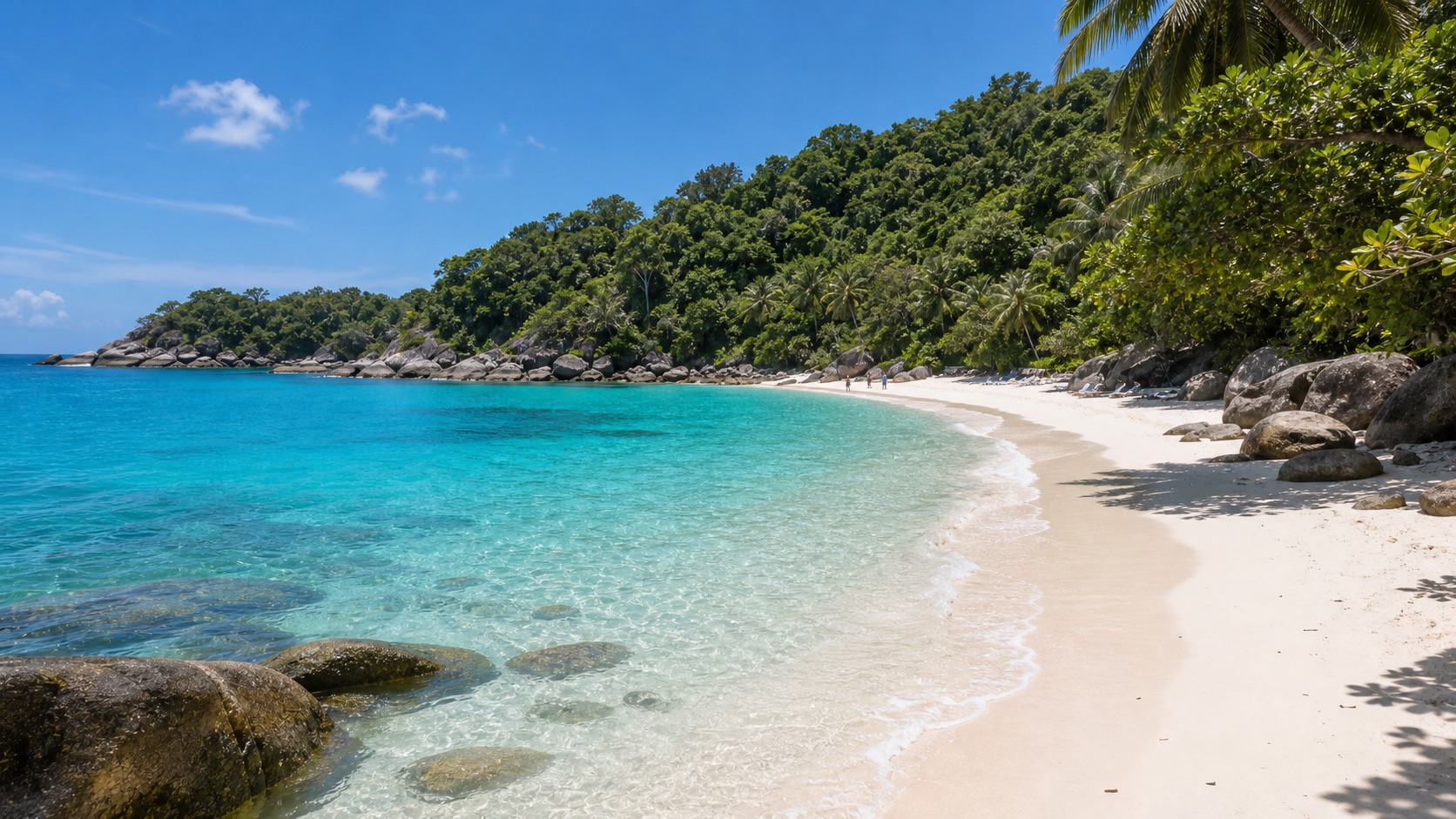
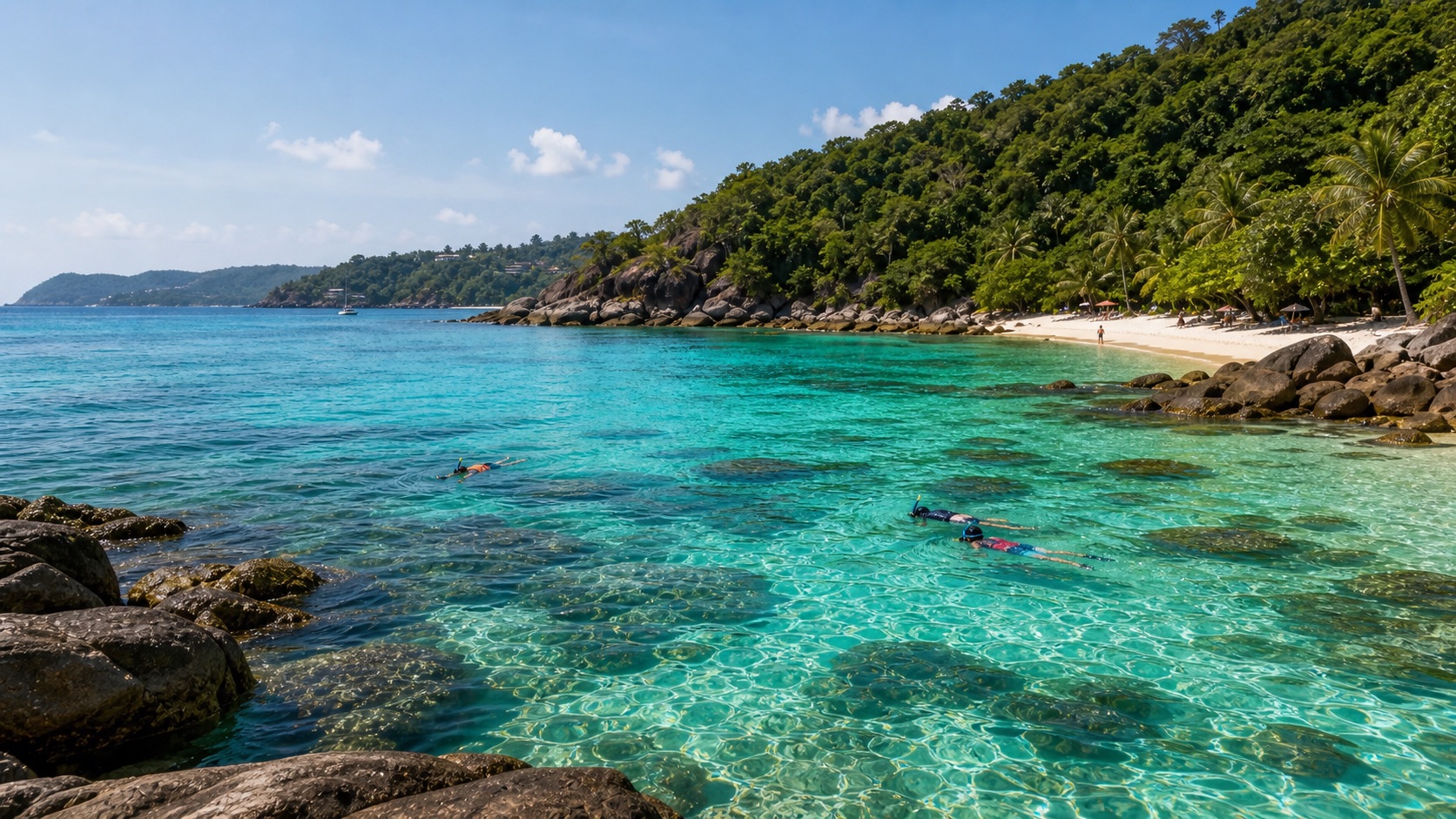
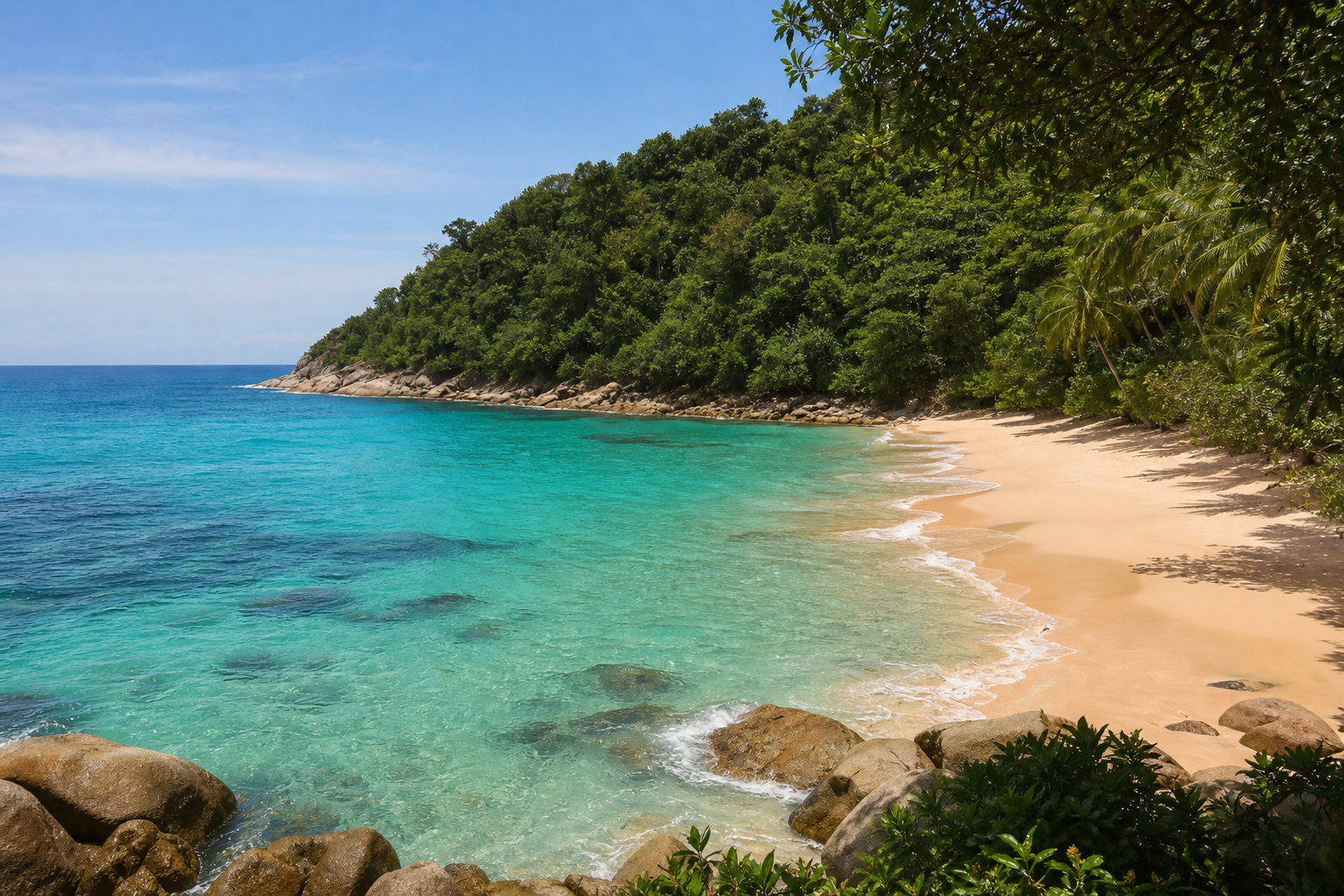
Banana Beach is one of those Phuket places people still describe in whispers: a small crescent of sand, green jungle pressing close behind it, clear water in the calm season, and rocky edges that make the beach feel tucked away from the main west-coast traffic.
Couples, beach hunters, confident swimmers, light snorkelers, and travelers staying around Bang Tao, Layan, Nai Thon, or the airport.
Northwest Phuket, between Bang Tao/Layan and Nai Thon. This guide is for the main-island Banana Beach, not Banana Beach on Coral Island.
Morning in the dry season, roughly November to April, when the west-coast water is usually clearer and calmer.
Limited shade at midday, changing access rules, paid parking or facilities, and rough monsoon waves from May to October.
What Banana Beach Really Is
The honest version before you drive there
Banana Beach sits on the northwest coast of Phuket, between Bang Tao Beach and Nai Thon. The setting is the reason people love it. Instead of a long resort strip, you get a compact jungle-backed cove framed by rocks, palms, and clear blue-green water in the right season. It still feels more adventurous than most famous Phuket beaches, especially if you arrive early and the sea is calm.
But the first thing to know is this: Banana Beach is no longer the untouched secret that older blog posts describe. For years, the classic story was that you parked awkwardly along the coastal road and walked down a shaded jungle path. In 2026, access is more organized and visitors should expect signs, some parking control, and paid facilities depending on the day and entrance in use. That does not ruin the beach, but it changes the expectation. Come for a pretty, compact, slightly hidden cove. Do not come expecting to be the only person who knows it exists.
This is also where name confusion matters. There is another Banana Beach on Coral Island, which is a separate island day-trip beach south of Phuket. This guide is about the Banana Beach on Phuket main island, near Nai Thon and Layan. If your taxi driver, tour desk, or Google result seems to point to a boat trip, pause and check. You want the west-coast cove, not the Coral Island excursion.
Local Take
Banana Beach works best when you treat it as a half-day nature stop, not a full-service beach club day. It is small, seasonal, and access can change. That is part of the charm, but it also means you should stay flexible.
How to Find It
Driving route, parking, and access
The easiest way to understand Banana Beach is to place it on the road between Nai Thon and Bang Tao/Layan. If you are coming from Bang Tao or Laguna, drive north past Layan and continue along the coastal road toward Nai Thon. If you are coming from the airport or Mai Khao side, drive south through Nai Thon and continue toward the Trisara and Layan direction. The beach sits below the road, hidden by slope and trees, so you do not see a big open bay from far away.
Before leaving, open Banana Beach Phuket on Google Maps and check the latest pin and access notes. This is one of those Phuket beaches where exact access details can shift over time because signs, parking, private land boundaries, and local management change. As of recent reports, visitors should expect a more obvious northern access area rather than relying only on the old roadside path story.
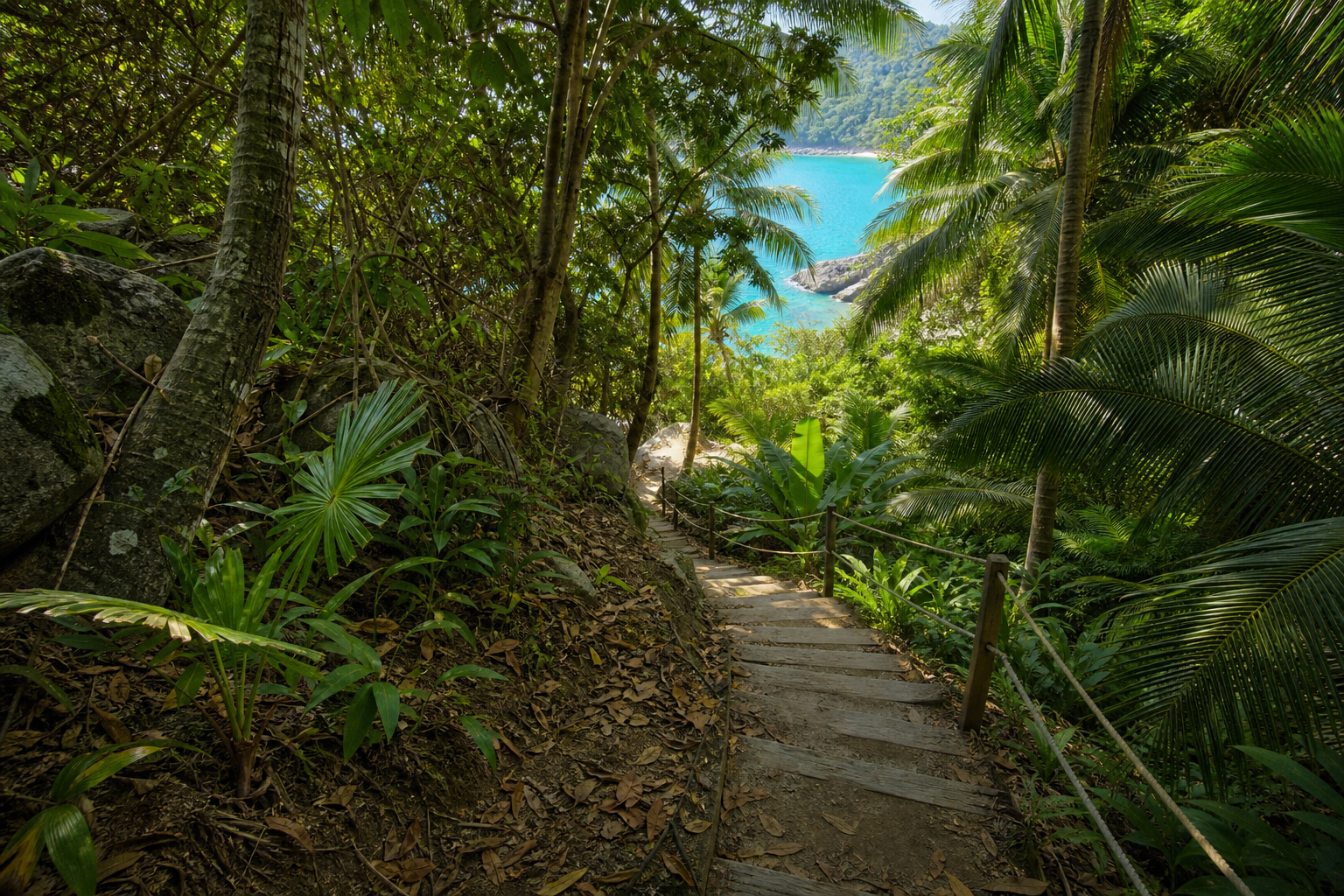
If you drive yourself, go slowly near the access area and avoid sudden stops on the coastal road. If you use a taxi or private driver, send the map pin before pickup and agree on a return plan. Ride-hailing can be patchy around quieter north-west coast beaches, especially late afternoon. A driver who waits or returns at a set time is often smoother than assuming you can easily call a new car from the beach.
Good base areas: Bang Tao, Laguna, Layan, Nai Thon, Nai Yang, Mai Khao, and the airport side.
Less convenient bases: Patong, Karon, Kata, Rawai, and Phuket Town. You can still go, but it becomes more of a planned west-coast drive.
Parking: Expect paid or managed parking if the main access is operating that way. Bring small cash and do not assume roadside parking will be available.
What the Cove Feels Like
Small, scenic, and more fragile than famous beaches
Banana Beach is not a big walking beach like Karon, Mai Khao, or Bang Tao. Its appeal is scale. You arrive, look down the curve of sand, and understand immediately why it gets described as a cove. The headlands hold the view in place. The rocks give the water texture. The trees create a darker green wall behind the beach. It photographs beautifully because the whole scene feels contained.
That small size also means the mood changes quickly. Ten quiet visitors can feel peaceful. Fifty people, a few boats, loud music, and every patch of shade taken can make it feel busy. If you care about atmosphere, aim for the first half of the day. Late morning can be lovely. Midday can feel hotter and more exposed. Late afternoon can be pretty, but transport and sea conditions deserve more attention.
Families can enjoy Banana Beach, but I would not call it the easiest family beach in Phuket. If you have a stroller, lots of beach bags, small children who need toilets often, or anyone who struggles with uneven ground, a more straightforward beach may be better. For family-first beach planning, compare it with Kata Beach for families or broader options in our best beaches in Phuket guide.
For couples and confident travelers, the cove has a lovely rhythm. Swim if conditions are right, sit under whatever shade you can find, walk to the rocky edges for photos, and keep the day simple. Banana Beach is at its best when you do not over-schedule it.
Swimming and Snorkeling
Beautiful in calm season, risky when the west coast turns
In dry season, Banana Beach can be a wonderful swimming stop. The water is often clearer between November and April, the surface is calmer, and the rocky edges can make the cove feel more interesting than a plain stretch of sand. This is when light snorkeling is most realistic. Do not expect a major reef experience like a proper island snorkeling tour, but on a good day the rocky ends can be fun for a short look with a mask.
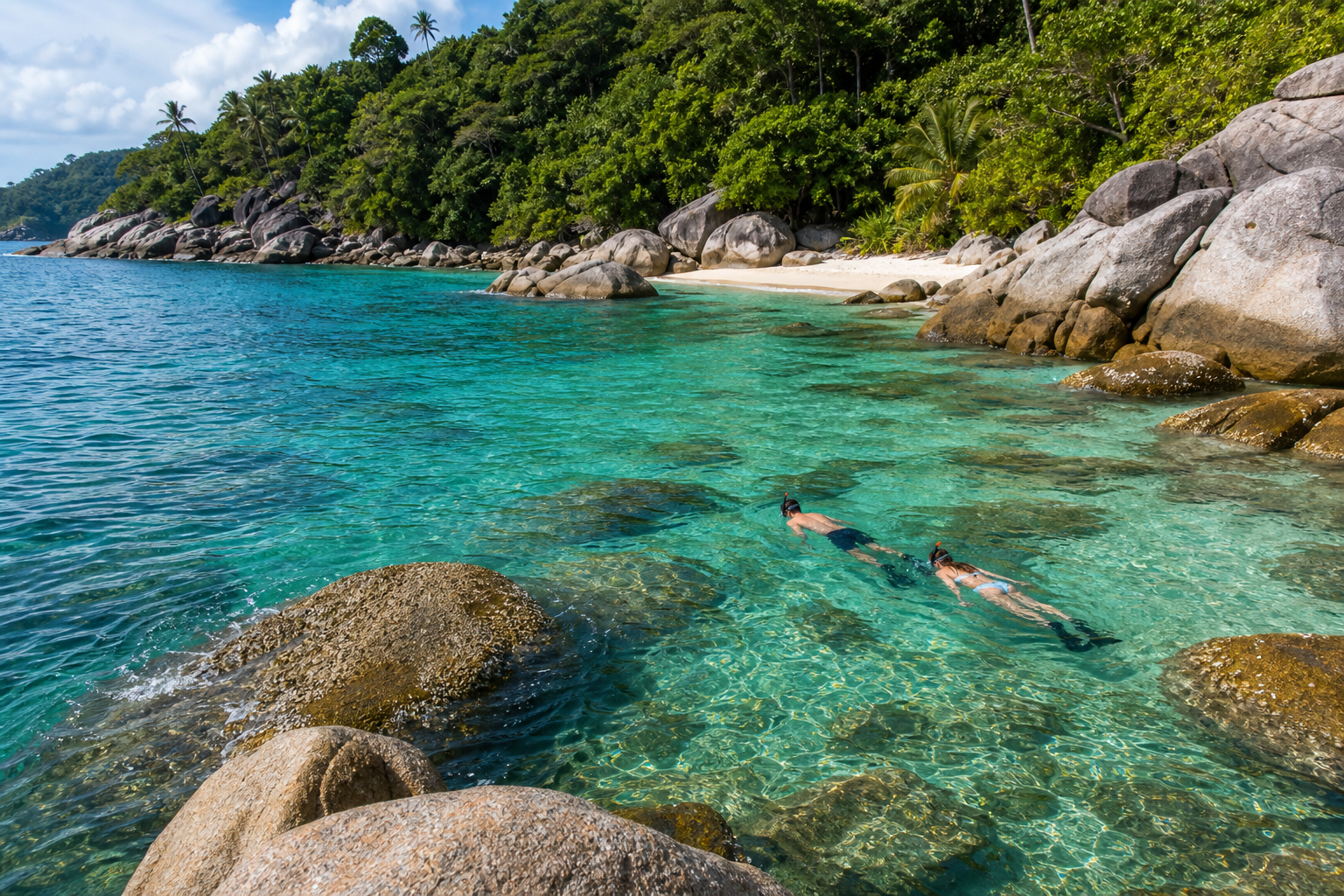
From May to October, take the west-coast sea seriously. Phuket beaches can look beautiful and still be dangerous because of surf, rip currents, and sudden weather changes. If red flags are out, stay out. If there are no flags or lifeguards visible and the water looks messy, treat that as a warning too. For current weather before any beach day, check the Thai Meteorological Department and use common sense once you arrive.
Banana Beach is not the place to push your luck. There is less space, fewer obvious services, and access can be less convenient than a town beach. If the water is rough, make it a photo and lunch stop, then move on to a calmer plan. If snorkeling is your main goal, use this article alongside our best snorkeling beaches in Phuket guide, where we compare easier options for different skill levels.
Facilities and What to Bring
Prepare like it is still a small beach
Facilities at Banana Beach have become more organized than the old hidden-beach stories, but you should still prepare like you are visiting a small cove. Bring cash, water, reef-safe sunscreen, a hat, sandals with grip, a dry bag, and only the gear you actually want to carry. If you plan to snorkel, bring your own mask so you are not dependent on rental availability.
Food and drink options may be available depending on season, access, and current operators, but I would not build the whole day around a guaranteed restaurant setup. Phuket beaches change quickly. A place that feels full-service one month can feel quiet the next. The smart version is simple: arrive with water and basic backup snacks, then enjoy any beach restaurant or drink service as a bonus.
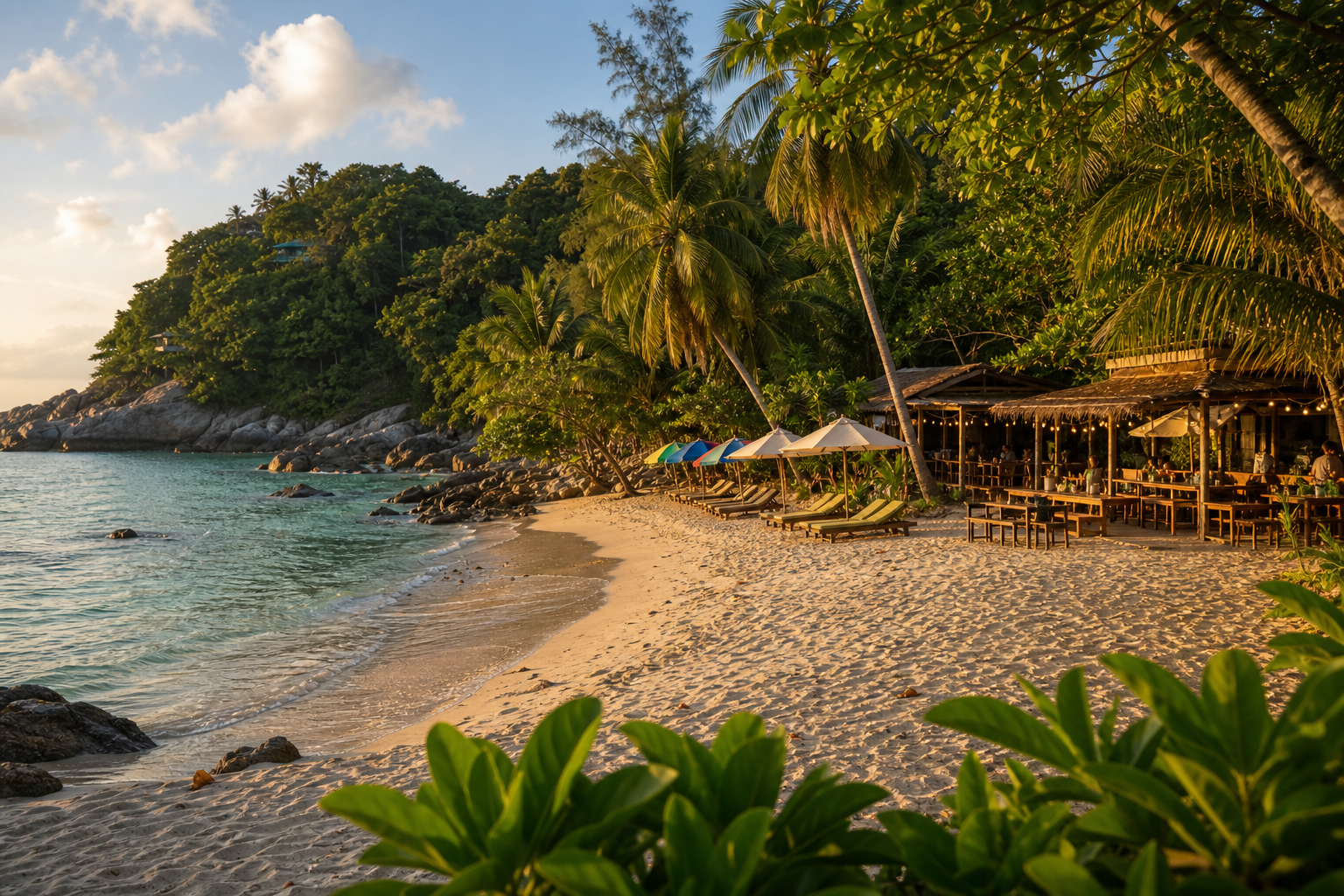
Please also treat the beach gently. Small coves show bad visitor behavior faster than big beaches. Carry out what you bring in, avoid stepping on coral or marine life, keep music low, and do not leave cigarette ends or plastic behind. For broader island context and official travel information, you can cross-check the Tourism Authority of Thailand Phuket page.
Best Way to Plan the Day
Make Banana Beach part of a north-west coast loop
The best Banana Beach day is not complicated. Start early, reach the cove before the strongest heat, swim only if the sea is calm, then pair it with one or two nearby west-coast stops. If you are staying in Bang Tao or Laguna, Banana Beach works well as a morning escape before lunch back around Boat Avenue or a sunset stop at Layan. If you are staying near the airport, combine it with Nai Thon, Nai Yang, or a quiet northern beach drive.
For a beach-focused day, use this route: breakfast in Bang Tao, Banana Beach in the morning, Nai Thon viewpoint and coffee afterward, then Layan or Bang Tao for sunset. For a quieter nature version, continue north and compare the mood with Mai Khao or Sai Kaew. For people deciding where to stay, our Phuket west coast vs east coast guide explains why this side of the island is better for beach days, sunsets, and easy sea access.
Banana Beach also pairs naturally with our hidden and secret beaches in Phuket guide. It is one of the most photogenic names on that list, but it is not necessarily the quietest anymore. If your dream is total silence, ask a local or go earlier. If your dream is a beautiful small cove that still feels more tucked away than the famous resort beaches, Banana Beach is still worth the effort.
Want help deciding if Banana Beach fits your trip?
Tell me where you are staying, your travel month, and whether you care more about swimming, photos, snorkeling, or quiet. I can help you plan the easiest route and a realistic backup beach if the sea is rough.
Ask a Local Expert