Phuket for Digital Nomads (2026 Update): Fast Wi-Fi, Visas, and Co-working
Phuket is no longer just a holiday island with a few laptop cafes. In 2026, it is a serious remote-work base if you choose the right area, prepare your visa correctly, and do not rely on beachfront Wi-Fi for important calls.
Rawai/Nai Harn for community, Bang Tao/Cherng Talay for premium living, Phuket Town for budget and local food.
Fiber condos and co-working spaces are strong. Always keep a Thai SIM or eSIM hotspot for backup.
DTV is the main long-stay route for remote workers, but requirements depend on embassy and nationality.
Use co-working for calls and deep work, cafes for light tasks, and beaches after the laptop closes.
Is Phuket Good for Digital Nomads in 2026?
Yes, if you want island life with real infrastructure. Phuket has fiber internet in many condos, international gyms, reliable food delivery, good private healthcare, and enough co-working spaces to make a normal workweek possible. It is strongest for freelancers, founders, remote employees, online coaches, designers, marketers, developers, traders, and anyone who can earn from outside Thailand.
It is not the cheapest digital-nomad base in Thailand, and it is not as dense as Chiang Mai. Phuket rewards people who choose their neighborhood carefully. If you randomly book a villa far from your work spots, your life becomes traffic and Grab bills. If you base yourself near the right cafes, gym, supermarket, and co-working space, the island feels easy.
Local Reality Check
Do not judge Phuket by Patong. Most productive long-stay nomads spend more time in Rawai, Nai Harn, Chalong, Cherng Talay, Bang Tao, or Phuket Town.
Phuket Nomad Snapshot
Who the island suits in 2026
Phuket is best for digital nomads who want a balanced life: morning gym or beach, proper desk time, good dinner, and weekend island trips. It is less ideal if your main priority is the lowest possible monthly cost or a giant conference-style nomad scene.
Best Fit
Remote workers who need comfort, stable internet, good food, and a healthy routine usually do well here. The island has enough community to meet people, but enough space to avoid feeling trapped in one scene.
Hardest Part
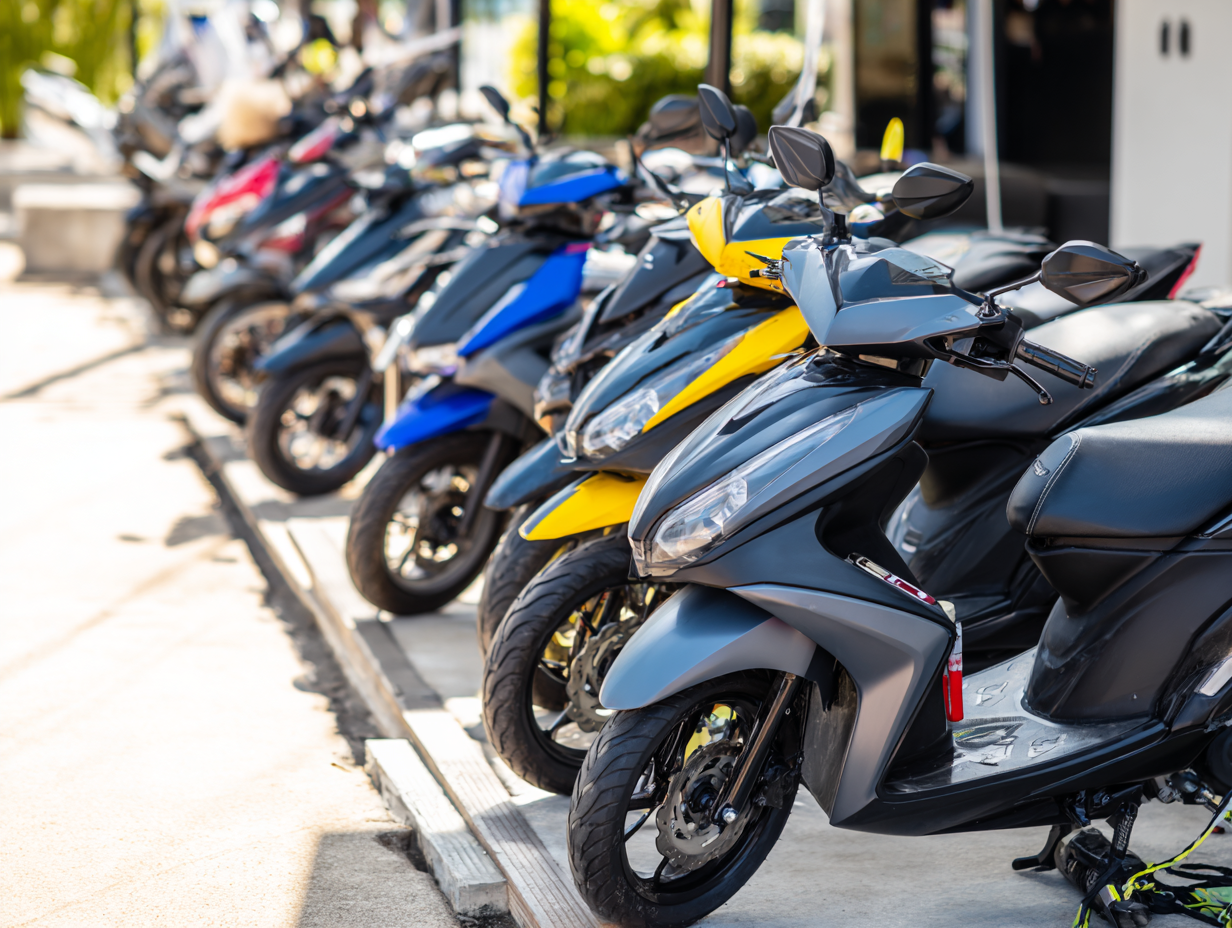
Transport. Phuket is spread out, and public transport is limited. If you do not ride a scooter, choose a walkable base near your work spots or budget for ride-hailing. Read our Phuket ride-hailing guide before you assume taxis will be cheap.
Best Areas to Live
Rawai, Bang Tao, Phuket Town, Chalong
Rawai and Nai Harn are the most natural fit for long-stay nomads. You get gyms, healthy cafes, seafood, beaches, and a strong expat base without the pace of Patong. It is especially good if your day includes training, swimming, or sunset walks.
Bang Tao and Cherng Talay are better for a premium setup: newer condos, higher-end gyms, beach clubs, Boat Avenue, Porto de Phuket, and a more polished lifestyle. It costs more, but the daily convenience is strong.
Phuket Town is best for budget, food, and local culture. You trade beach access for cheaper rooms, cafes, markets, and a more Thai daily rhythm. Chalong is practical for fitness-focused nomads, especially around gyms, muay Thai camps, and south-island roads.
Fast Wi-Fi Setup
Fiber, SIMs, backup plans
Fast Wi-Fi exists in Phuket, but you should verify it before booking a monthly stay. Ask the host for a current speed-test screenshot from inside the room, not a building lobby screenshot. For video calls, stability matters more than a giant download number.
My Minimum Setup
Choose accommodation with fiber internet, work one or two days from a co-working space before committing to a monthly membership, and keep a Thai SIM or eSIM with a large data package. AIS, True, and dtac coverage is generally strong in populated areas, but your exact room can still have weak signal.
Call-Proofing Your Week
If your income depends on calls, do not depend on cafes. Use spaces with phone booths or quiet rooms, keep headphones with a real microphone, and know your backup location within 10 minutes of home.
Visa Options for Remote Workers
DTV, tourist stays, LTR caveat
For 2026, the Destination Thailand Visa, usually called DTV, is the visa most digital nomads ask about. Thailand’s Ministry of Foreign Affairs materials describe DTV as a multiple-entry visa for workcation travelers, digital nomads, remote workers, freelancers, soft-power activities, and eligible dependents. The official summary lists 5-year validity and 180 days per entry, with a possible one-time 180-day extension through Thai Immigration.
The official document set also highlights financial evidence of at least 500,000 THB and workcation proof such as employment documents or a professional portfolio. Requirements can vary by embassy, so always check the Thai e-Visa portal and the Royal Thai Embassy or Consulate responsible for your location before you build your travel plan around approval.
Important Limits
DTV is not permission to take a job with a Thai company or serve Thai clients like a local worker. If you plan to work for a Thai entity, get professional visa advice. If you stay in Thailand long enough to trigger tax residency, speak with a qualified tax advisor rather than relying on travel blogs.
Need help choosing your Phuket base?
Tell me your work hours, budget, gym/beach preference, and whether you ride a scooter. I can help match you with the right Phuket area before you book a month in the wrong place.
Co-working and Laptop-Friendly Spots
Rawai, Chalong, Phuket Town, Cherng Talay
For serious work, choose dedicated co-working over cafes. Rawai has a strong cluster for nomads, Chalong works well for fitness-heavy schedules, Phuket Town is useful for central meetings and lower costs, and Cherng Talay/Bang Tao is good for premium living near Laguna.
What to Look For
Prioritize private call rooms, ergonomic seating, monthly passes, parking, air-conditioning that is not freezing, and a community that matches your work style. A beautiful cafe is fine for email. It is not always fine for three client calls and a deadline.
Useful Local Pattern
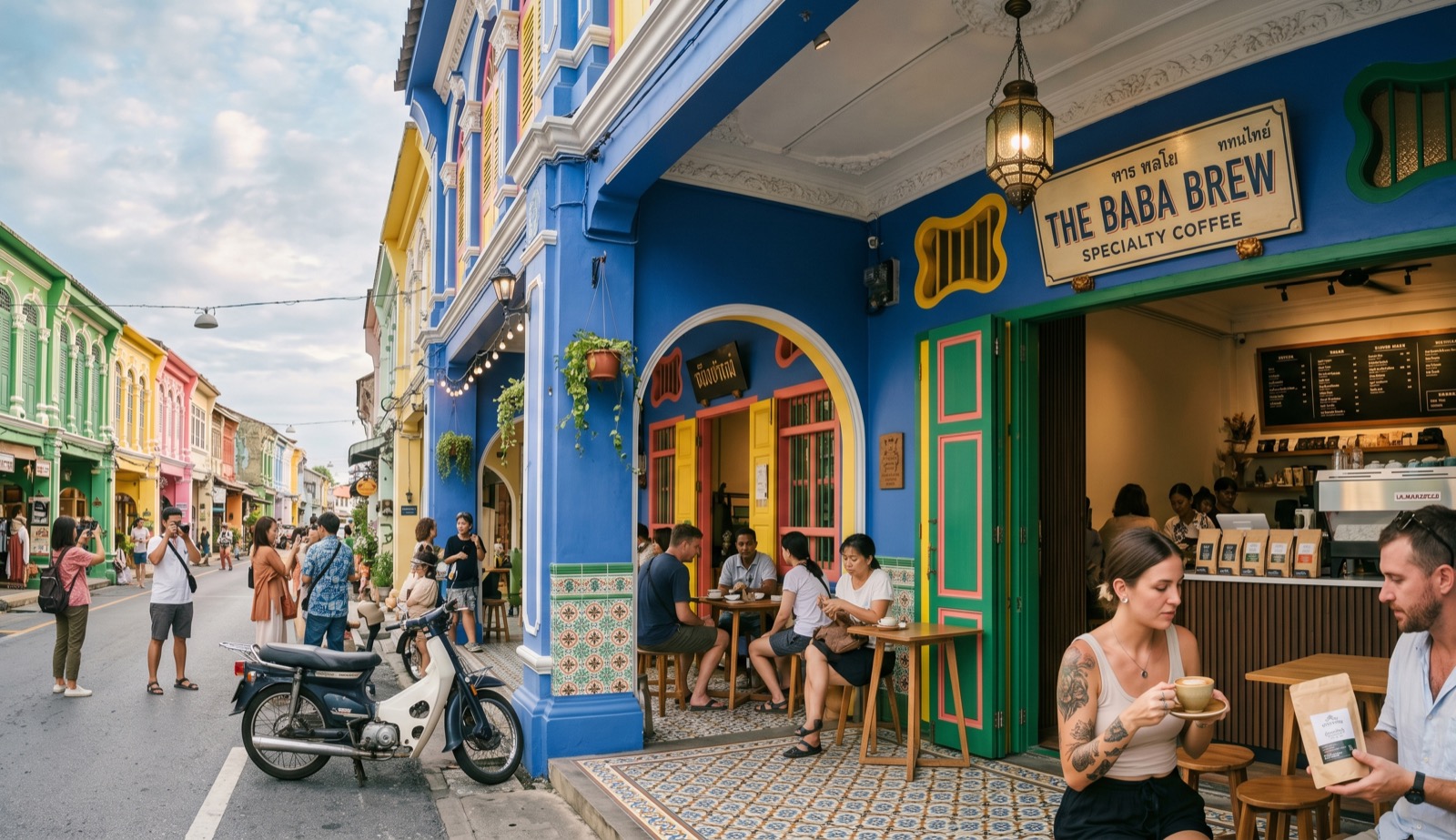
Many nomads keep two work modes: a paid co-working base for deep work and calls, plus two or three cafes for lighter admin. That mix keeps the week from feeling like an office, while still protecting your real work.
Monthly Budget for Phuket Nomads
Housing, transport, gym, workspaces
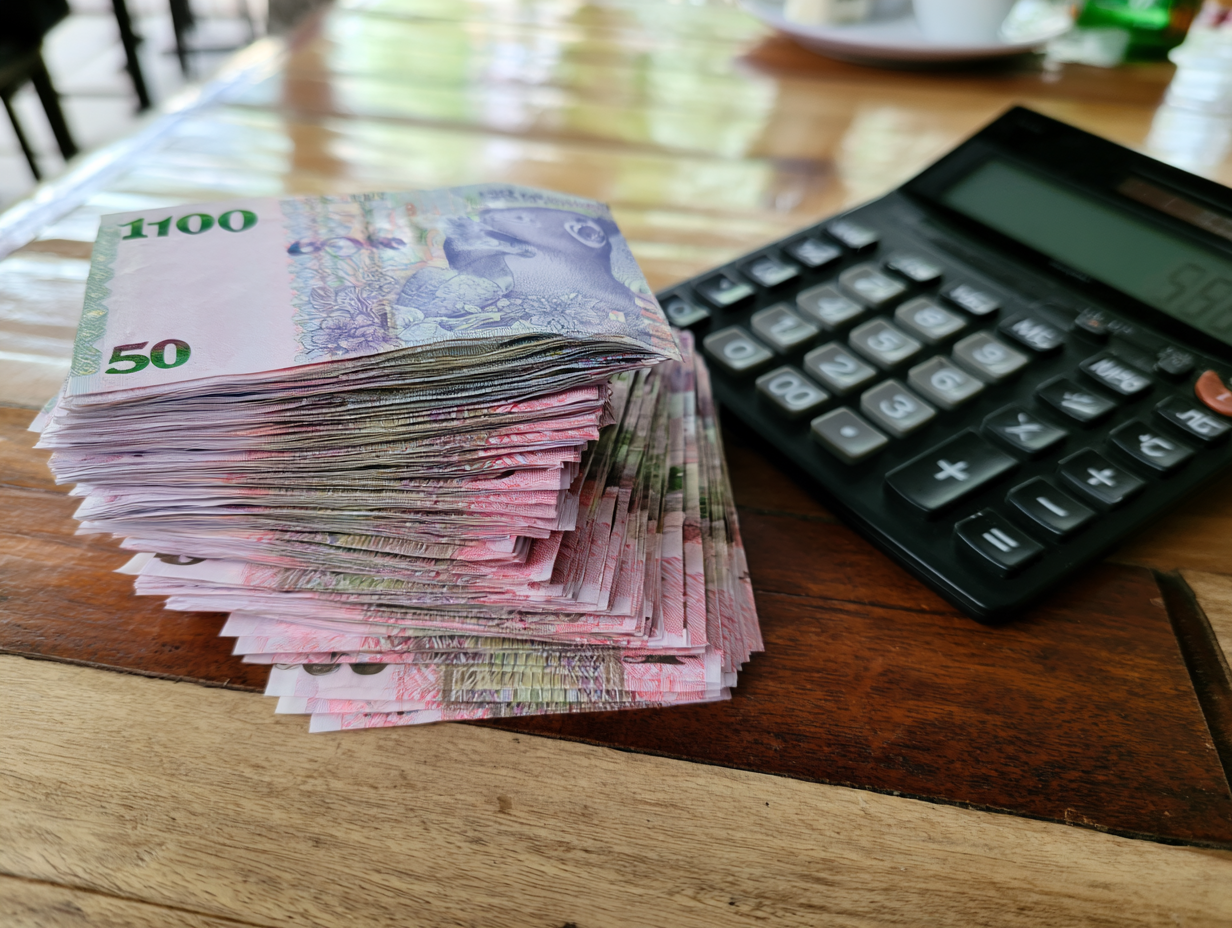
A comfortable single-person nomad budget often lands higher than Chiang Mai but lower than Singapore, Hong Kong, or most beach cities in Europe. Your biggest variable is housing. A basic studio away from the beach, a modern condo in Rawai, and a stylish Cherng Talay apartment are three very different budgets.
Plan These Categories
Budget for rent, electricity, mobile data, co-working, scooter or ride-hailing, gym, laundry, eating out, insurance, and weekend trips. Electricity can surprise people in hot season if they run air-conditioning all day, so ask whether utilities are included.
Saving Without Suffering
Stay one week first, then negotiate monthly. Eat local food more often than delivery. Choose a home close to your gym or workspace. In Phuket, location mistakes are expensive because you pay for them every day in time or transport.
Local Work Rhythm and Pitfalls
Calls, traffic, rainy season, focus
If you work with Europe, Phuket evenings can be meeting-heavy. If you work with North America, your call schedule may push late into the night. Choose housing with a proper desk and quiet walls if your time zone is unusual.
Rainy Season Work Advantage
May to October can be productive for nomads because accommodation is often better value and the island is less crowded. The trade-off is weather flexibility. Keep beach expectations loose and use rainy mornings for deep work.
Final Advice
Phuket works when you build a routine before chasing every attraction. Pick a base, test your internet, secure your visa path, join a work-friendly space, and save beach days for when your calendar is actually clear.