How Much Does a Trip to Phuket Cost in 2026? Real Budgets That Actually Help
Phuket can feel cheap, expensive, or wildly inconsistent depending on where you stay, how you move around, and how much island-hopping you squeeze in. This guide is here to make the numbers usable, not abstract, so you can build a trip budget that matches your style.
Around ฿1,500 per day if you keep hotels simple, eat local, and watch transport.
Around ฿4,500 per day for nicer rooms, sit-down meals, and a few paid activities.
Hotel area changes everything. Beachfront convenience costs much more than town-based stays.
Transport. Airport runs, taxis, and last-minute rides quietly wreck weak budgets.
Why Phuket Budgets Go Wrong
Most Phuket budget mistakes come from mixing low-cost assumptions with high-cost habits. Someone books a luxury beach zone, takes private rides everywhere, adds two island tours, and still expects “Thailand prices” to do the rest. Phuket can still offer very good value, but it rewards people who understand where the expensive parts actually are.
This guide uses planning ranges, not fantasy numbers. It is meant to help you decide what kind of trip you are building before the first avoidable overspend lands on your card.
Quick Reality Check
Accommodation and transport shift the fastest in Phuket. Use these ranges as planning anchors, then adjust once your hotel area, season, and island-tour plans are fixed.
Choose Your Travel Style First
Backpacker, comfort, or luxury baseline
If you do not pick your travel style first, every budget line stays fuzzy. A low-budget Phuket trip usually means simple accommodation, local meals, limited taxis, and selective tours. A comfort trip means better hotel location, more restaurant meals, and less friction. A luxury trip means private space, premium transport, and the freedom to say yes more often.
Useful Daily Anchors
For a practical starting point, plan around ฿1,500 per day for low-budget travel, around ฿4,500 per day for a mid-range comfort trip, and ฿12,000+ per day once you move into resort and premium-dining territory.
Best Next Step
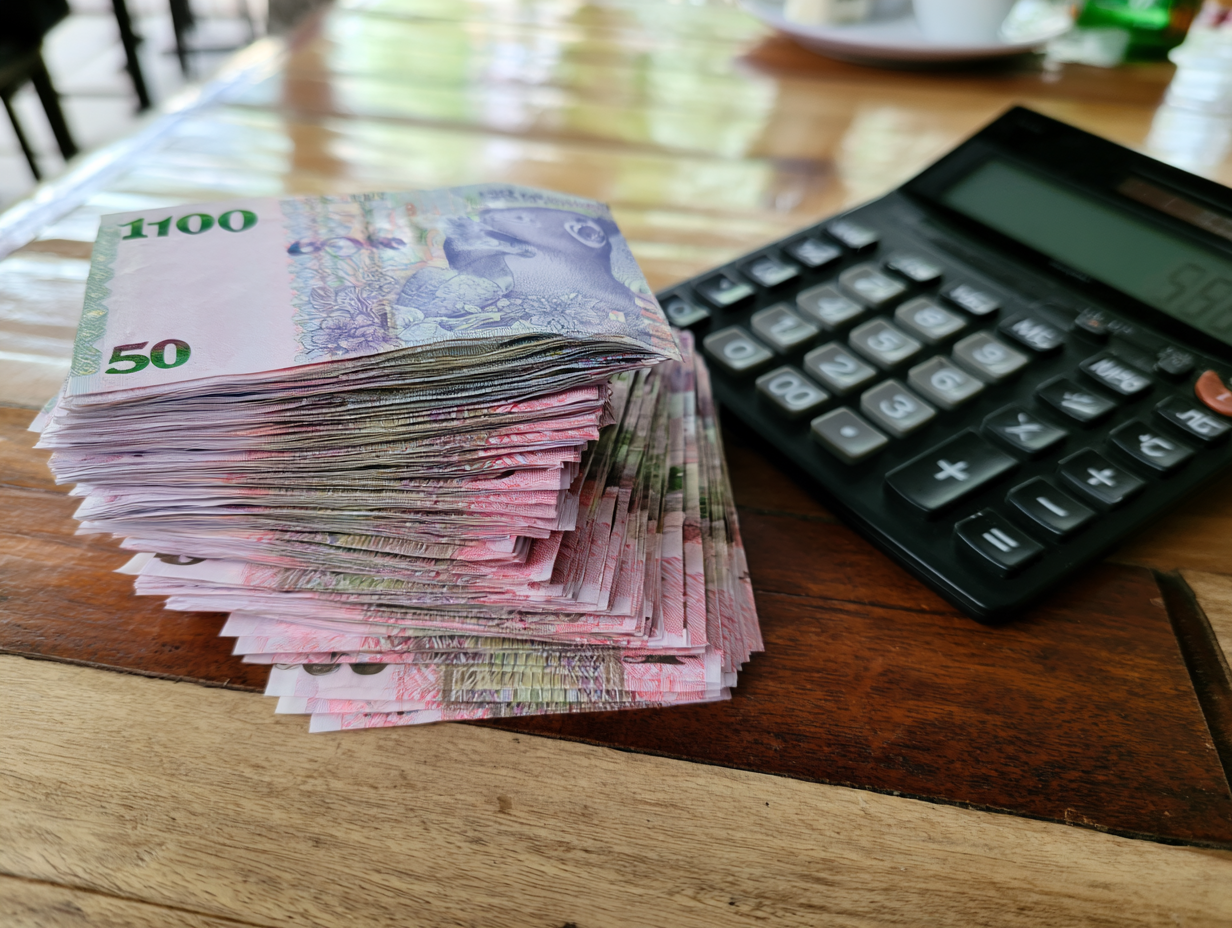
Before you price details, use our interactive Phuket budget calculator to get your own rough baseline.
Understand Hotel Math
Area, season, and room type matter most
Accommodation is where Phuket splits into completely different realities. Phuket Town can be remarkably affordable, while west-coast resort zones such as Bang Tao or Surin can jump fast once you prioritize direct beach access or resort amenities.
- Hostels and guesthouses: roughly ฿500 to ฿1,000.
- Mid-range boutique hotels: roughly ฿2,500 to ฿5,500.
- Luxury resorts: often ฿10,000 to ฿30,000+.
If you want Phuket to feel better without going fully luxury, the sweet spot is usually a strong mid-range hotel in a good area rather than a bargain room in the wrong place.
Budget Food Properly
Street food, local restaurants, and upscale dining
Food is where Phuket still gives travelers real flexibility. If you enjoy local eating, your daily spend can stay low without feeling deprived. If you drift toward beach clubs, imported wine, and sunset dining every night, your budget changes immediately.
Street-Food Level
A bowl of noodles or pad Thai at local markets can still sit around ฿60 to ฿120, with drinks like coconut water adding very little. Readers who want stronger food planning should also check our Old Town cafes guide for smarter casual choices.
Comfort Dining
A sit-down local restaurant meal with air conditioning and a drink often falls around ฿400 to ฿800 per person.
High-End Dining
Top-tier beach clubs and fine dining can start around ฿2,500 per person and move upward very easily once drinks enter the picture.
Price Your Activities Honestly
Tours, charters, massages, and sanctuaries
Activities are where people either save money gracefully or lose track of it in one enthusiastic afternoon. Group island-hopping trips usually sit around ฿1,500 to ฿2,800, while a private longtail or more tailored day can move into the ฿4,500 to ฿8,000 range.
- Group island tours: best for solo travelers and couples watching cost.
- Private charters: stronger value if shared across a group.
- Thai massage: often around ฿300 to ฿600 per hour.
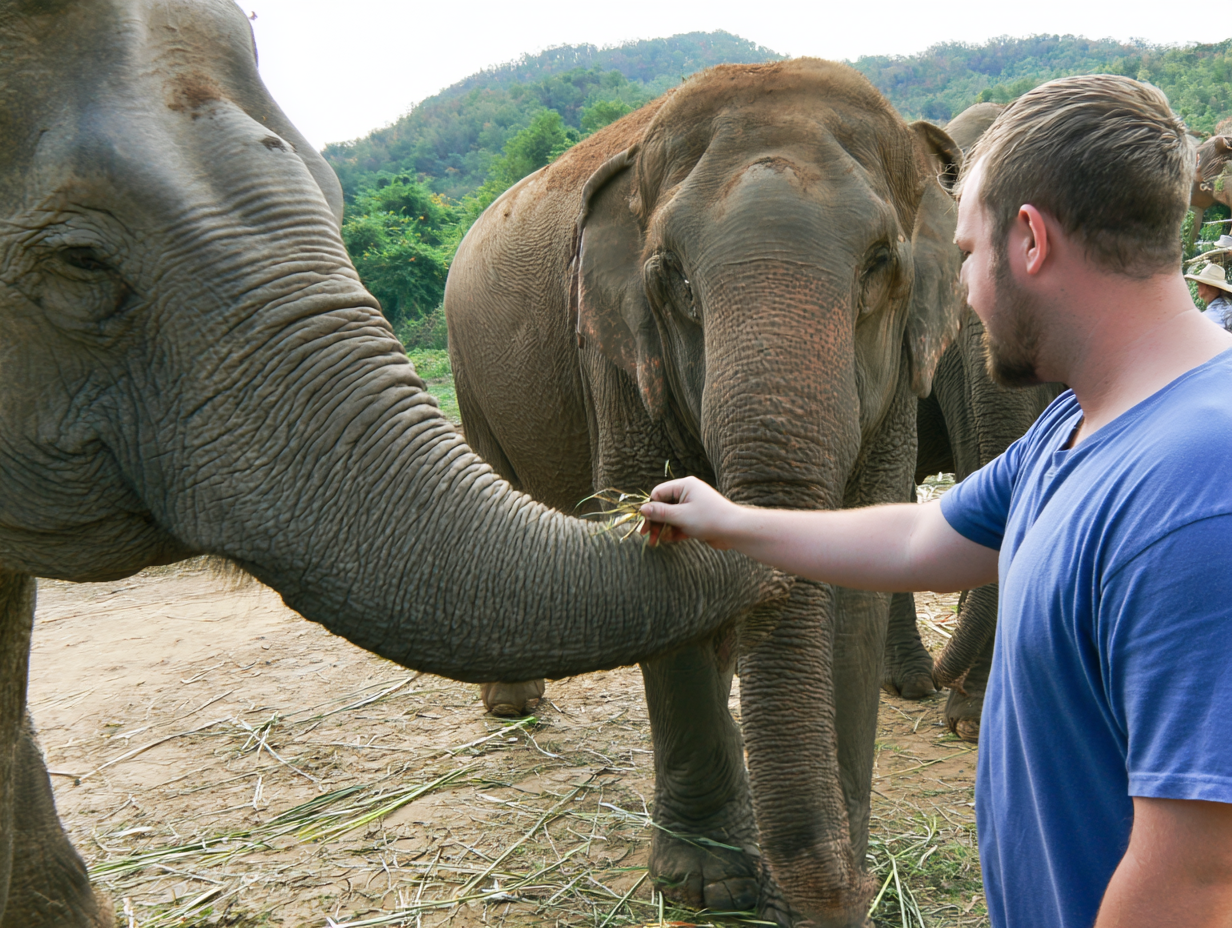
- Ethical elephant sanctuary visits: roughly ฿2,500 to ฿3,500 for a half day.
Want a budget that matches your actual trip?
Send your travel style, hotel area, and number of tour days, and I can help you shape a Phuket budget that feels realistic before you book.
Control Transport Spend
Smart Bus, rides, scooters, and airport planning
Transport is the easiest place to quietly lose money in Phuket. The island is spread out, and convenience costs more than many first-time visitors expect.
- Phuket Smart Bus: one of the best value options for west-coast movement at around ฿100.
- Motorbike rental: often around ฿300 to ฿500 per day, but only sensible if you are legally licensed and comfortable riding.
- Bolt and Grab: usually worth checking before agreeing to ad hoc taxi pricing.
Pair this article with our airport transfer guide and ride-hailing comparison if you want the transport part of your budget to stop feeling slippery.
Build a Real Daily Total
Turn ranges into a trip budget you can trust
The cleanest way to build your Phuket budget is to choose your hotel band, estimate your daily food style honestly, add transport based on your area, and then spread your tour costs across the whole trip rather than treating them like “special extras.”
- Low budget: around ฿1,500 per day.
- Mid-range comfort: around ฿4,500 per day.
- High-end travel: around ฿12,000+ per day.
If you travel in shoulder months like May, June, or September, accommodation can soften noticeably compared with peak-season pricing. That is usually the easiest upgrade-to-cost ratio on the island.