Image: Phuket Travel 101 guide artwork.
Exchanging Money in Phuket: Best Rates & The Airport Trap
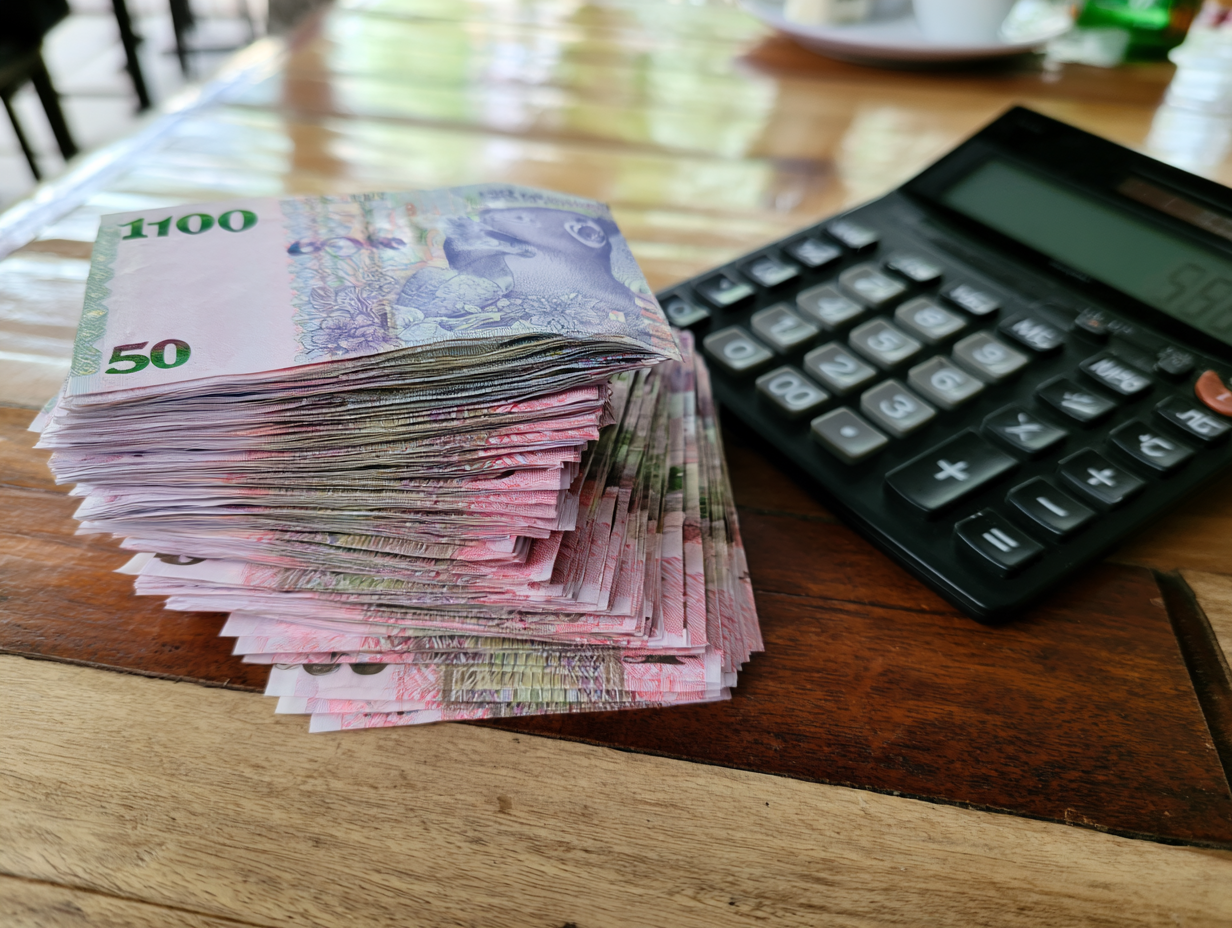
Navigating currency exchange is one of the first challenges you'll face when landing in Thailand. While Phuket is modern and digital payments are rising, cash is still king for street food, local markets, and small bars. Getting the best rate can mean the difference between an extra seafood dinner or losing 5-10% of your budget before you even leave the arrival hall.
Before you exchange a large amount, read our Phuket airport transfer guide too, because the wrong taxi or private van decision can quietly waste the savings you just protected on exchange rates.
1. The Airport Trap: Why You Should Wait
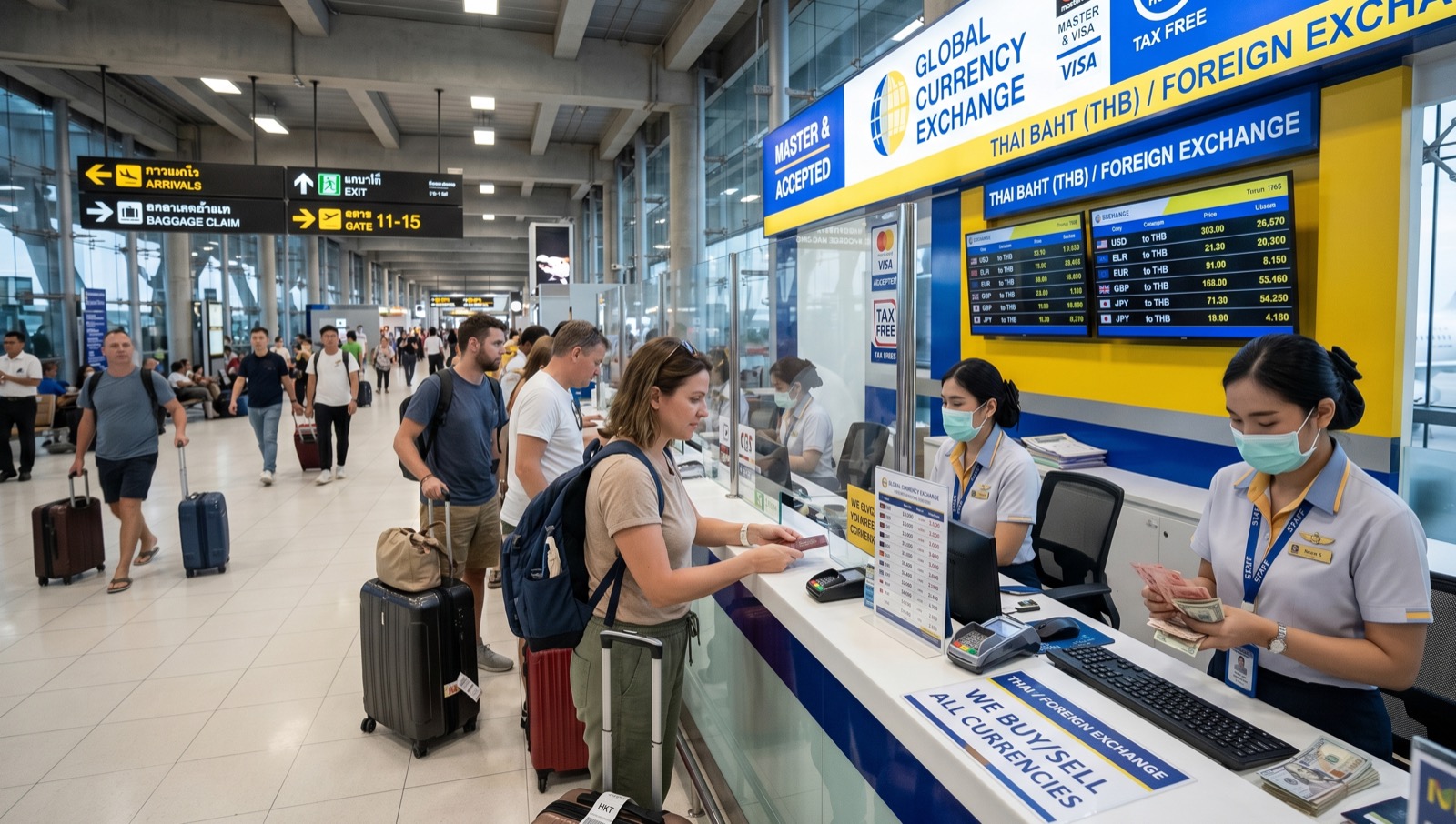
It’s tempting. You just landed, you’re tired, and you see the bright green and blue bank kiosks at Phuket International Airport. Stop. The rates offered at these booths are consistently the worst on the island. Banks at the airport often take a massive margin—sometimes up to 8-12% off the mid-market rate.
The Pro Tip: If you need immediate cash for a taxi or the entry requirements, exchange only $20 or $50 USD. Wait until you reach the main resort areas or Phuket Old Town to exchange the rest.
Phuket Exchange Finder
Click a location to find reliable exchange kiosks with the best rates (like SuperRich and Value Plus).
Select a Location
Find the nearest high-rate kiosk in the main beach areas.
2. The Kings of Rates: SuperRich & Value Plus
In Thailand, names like SuperRich (the orange or green logo) and Value Plus are legendary. They are independent exchange companies that offer rates significantly better than commercial banks like SCB or Kasikorn.
- SuperRich (Orange): Look for them in Central Floresta or near the main entrance of Jungceylon in Patong Beach.
- Value Plus: Very common in Laguna Phuket and Kata Beach.
3. ATM vs. Cash: The Hidden Fees
ATMs in Thailand charge a flat 220 THB fee (approx $6.50) per withdrawal for foreign cards, regardless of how much you take out. To minimize this, always withdraw the maximum amount allowed (usually 20,000 or 30,000 THB).
CRITICAL: When the ATM asks if you want to use its "Conversion" or "Guaranteed Rate"—ALWAYS choose NO (or "Continue without conversion"). This allows your home bank to handle the exchange, which is almost always 4-5% cheaper.
4. Quality Matters: Clean Bills Only
Thai exchange booths are incredibly picky. If your bills have even a tiny tear, a pen mark, or are heavily wrinkled, they will likely be rejected. Ensure your notes are crisp, clean, and latest editions (e.g., the "big head" $100 bills for USD).
Planning References
Before you change larger amounts, compare the Bank of Thailand daily exchange rates, a live USD/THB converter, and the official TAT Phuket page.